Things I Worked On

Things I Worked On
My Content Stream

Pages

Tuesday, 31 October 2017

NIGERIA'S RAPIDLY GROWING FASHION SCENE

with Mark Van Iterson, Global Head Design of Heineken

I was shocked when I saw some of the pics online. Well not shocked but I was surprised at the audacity of some persons who had turned up in some street style fashion at the Lagos Fashion and Design Week. How dare they? They were bold and fearless and it got me thinking about how Nigeria's fashion scene is growing and giving room to many to explore. Even without great infrastructure in place in the industry, Lagos is gradually becoming the choice city for fashion events. I mean Heineken decided to choose Lagos to have its first Africa inspired collection and it was unveiled at the closing of the fashion week. I had to be there after much pressure. We had done this three times now and I was struggling to see what's new this year. At the event scene, the atmosphere was buzzing, sessions were on and South African television personality Bonang Matheba was on stage speaking. I showed up on the final day and it seemed so did everyone else, the venue for the runway show was packed. Seats were filled so many had to stand. Some positioned themselves where camera crews were set up. I had to squeeze in to have a good view of the runway. Christie Brown's designs did it for me for the night. The creative director, Aisha Ayensu, an amazing woman by the way used the platform to make a statement on feminism; unveiling a burst of colours, hues, accessories and a classic mix of prints and fabrics to the delight of guests present.
Lagos Fashion and Design Week since its debut edition in 2011 has held the annual event to support and strengthen the fashion industry. This year's edition with the theme "Africa: Shaping Fashion's Future" focused on the interconnection between African heritage and its re-interpretation into the contemporary fashion many love today.
The event featured 48 African designers or 49 if you include the Heineken inspired collection.
Some of the biggest industry names in Africa Maki Oh, Gert-Johan Coetzee showcased their latest collections on the final day. Tried for close to an hour to pin down Maki Oh for an interview but was unsuccessful. That's not the only thing I am unhappy about...... I could not take a lot of pics.


Tiwa Savage performs on stage as Heineken showcases its Africa inspired collection


Wednesday, 27 September 2017

Nigerian fashion website attracts controversy by refusing to conform

Model posing for a photograph during a photo-shoot by A Nasty Boy magazine- Photograph courtesy: Akintunde Akinleye

Wow! What a magazine. So bold! That was my first reaction when I first discovered the website of "A Nasty Boy". I knew right away it was a story worth telling. The controversial online magazine launched in February 2017. I found the stories intriguing. Boys who don't mind something extra and feel alive wearing makeup and dresses. Now that is something that many term as alien to our culture. A taboo. Photographs of men wearing makeup or clad only in denim miniskirts has provoked a strong response to the magazine from Nigerians on social media who say it promotes homosexuality.
Former Nigerian President Goodluck Jonathan signed the anti-gay bill into law in 2014. The bill criminalises same-sex relationships, containing penalties of up to 14 years in prison and bans gay marriage, same-sex "amorous relationships" and membership of gay rights groups.
But the founder, Richard Akuson says Nigerians who have said the online fashion magazine is a gay publication have misunderstood the website's agenda.
The 23-year-old law graduate says it is "an issue-based fashion publication that pushes for conversations around gender, feminism, masculinity.
Opinions are mixed on the streets of Nigeria. Many don't mind that they are exploring an alternative narrative while others say they should be banned.
Akuson says critics of the magazine were sticking to rigid definitions of masculinity and femininity that the publication seeks to subvert.
The online magazine has attracted interest beyond Nigeria where most of its readers are. 6,000 to 10,000 people visit the website each month.
The magazine is looking to expand the publication beyond its team of five freelance writers, an editor and pool of photographers.
With a print version in view by November which would be published twice each year, Richard
seeks to raise 25,000 U.S. dollars by late October using a crowdfunding campaign. With the funds, the organisation can scale up production and content to extend coverage to other African countries.
Richard was so welcoming and the story was an easy breeze.


Photographs courtesy: Akintunde Akinleye

Wednesday, 2 August 2017

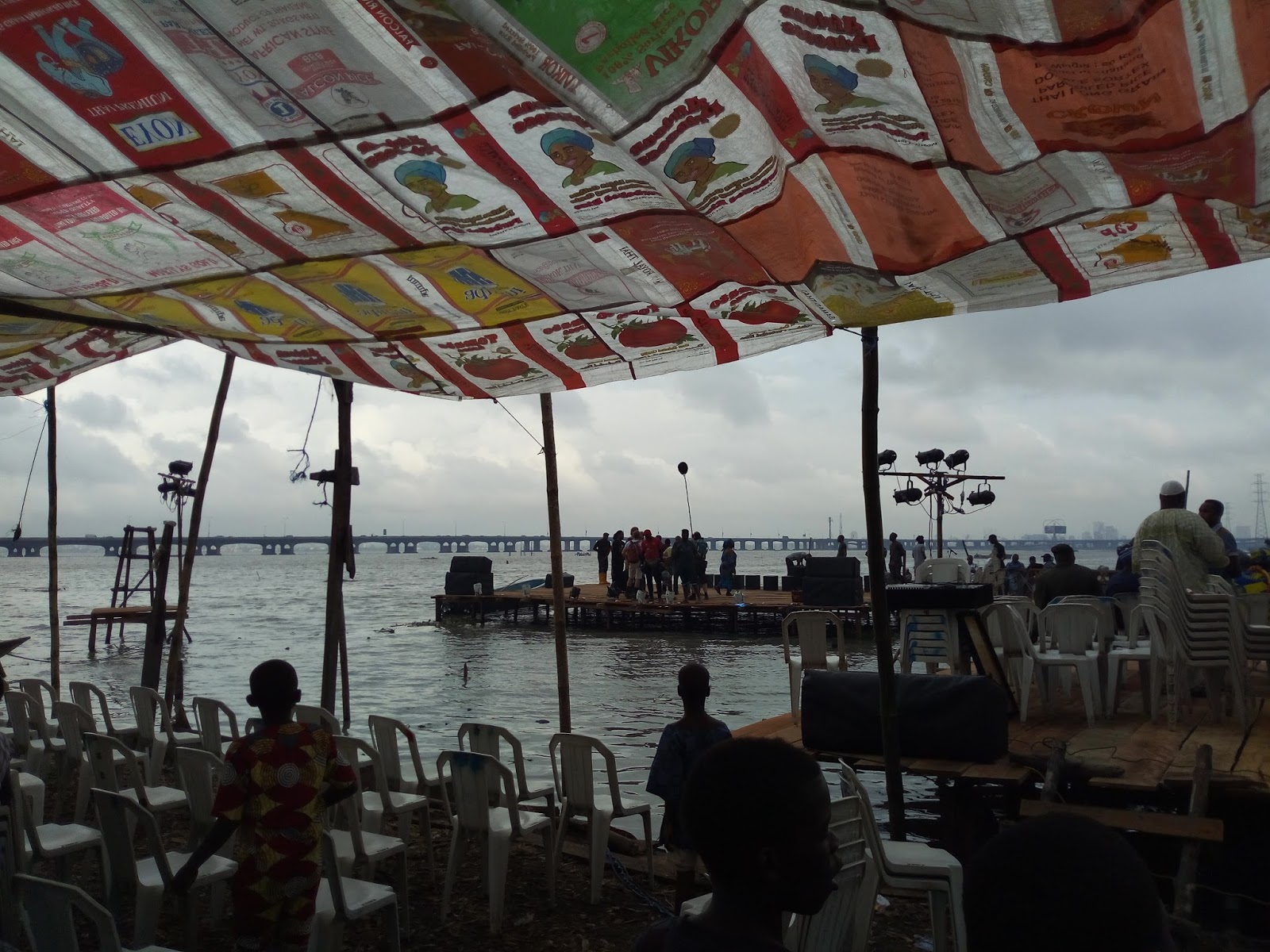
Women issues take to the stage in Nigeria's floating slum


As soon as I got the story offer, I was hooked. A stage play on water in Makoko. Definitely a story to tell. Unfortunately rain fell like cats and dogs on that Saturday but fortunately, it was a two-day event so we got to cover the Sunday edition. I was glad because that Saturday, they were forced to hold it in a church.
Women in Nigeria's floating slum Makoko have long had to deal with gender inequality issues in the community. This was the scene played out on a makeshift stage built on water in the popular low income neighborhood known as the Venice of Lagos.
"Hear Word", a collection of monologues that combines artistry, social commentary and true life stories took its new edition to Makoko, a vast settlement of houses built on stilts to address the issue of abuse of women in a male dominated environment.
Eight young women in the floating community were cast alongside popular Nollywood actresses with the hopes to set a motion that will break the silence culture in Nigeria.
For three years since it was established by Ifeoma Fafunwa, Hear Word has delivered an intimate view into the lives of Nigerian women across the country.
For Ifeoma, getting some of the Makoko women to be part of the show is a step towards ensuring that the mentality about women changes, enabling them to take up more decision making roles in the society.
The Hear Word director says that one of the reasons she chose Makoko was because of the threat they have faced in past years. Despite the past challenges, they can forge on and not be held back by societal pressure.
Two weeks of intense demolition of the houses by the Lagos state government in 2012 rendered many homeless.
The play titled Mi Setonu(Hear Word) is a collection of monologues, different stories that touch on the importance of the girl child, education and the need to put an end to pedophiles in the society.
29 year old local actor, Christiana Babapintan who relocated from Otodo Gbame, another community in Lagos that was demolished to Makoko says this is a dream come true for her.
Hundreds of people from the fishing community and other areas watched in excitement; many seated in their canoe as the drama unfolded. I was amazed at the number of people who turned up. The rain almost ruined it. I still marvel at the fact that it would fall heavily for some minutes and stop and then start again. What a day it was! Many residents not unperturbed by it stood their ground all through.
The fishing village was established hundreds of years ago but now climate change and rapid urbanization are threatening its way of life.


Tuesday, 4 July 2017

ROLLERBLADING AND SKATEBOARDING GAINING POPULARITY IN NIGERIA


First ever skate jam recently took place in Nigeria’s Lagos. A pioneering group of young people are getting their skates on in a bid to kick off skateboarding in Nigeria’s sprawling city. The WafflesNCream company plan to attract interest from Nigerians who are unfamiliar with the sports. 
Youngsters stormed the Freedom Park venue to exhibit their love for rollerblading, skateboarding among other interesting sports gaining popularity in the commercial city. It was all fun. Everyone had a blast. It was interesting seeing another side to Lagos. 


Wednesday, 17 May 2017

PHOTO EXHIBITION SHINES LIGHT ON SEXUAL VIOLENCE IN NIGERIA


I got an unexpected call on a weekend few weeks ago. At the end of the call, two things were certain, I would be working on a Sunday. Secondly, I would get to interview queer people. I was excited. These stories that take me to interesting places, meeting interesting people..... Immediately I contacted my senior producer in Nairobi and it was a yes. The next day, I got ready. Not knowing what to do with the kids, I was forced to take them with me to work. I figured they would enjoy being out. 
The Initiative for Equal Rights and Stand to End Rape advocacy groups organised a photo exhibition about sexual violence in Nigeria that partly looked at experiences of the LGBT community and featured photographs of four gay subjects who had experienced sexual violence; a daring feat in a country that has the same sex marriage prohibition act. I spoke to some of them about their challenges and their stories were horrific. Some had been set up and gang raped. There were stories of family rejection, community alienation, rape, arrests, suicidal thoughts and isolation. One of them who embraced his sexuality 6 years ago said he was permanently on lock down at home because his parents banned him from going out for his own protection as he had been arrested once. He was only able to come out cos they had travelled. 
The photographs show queer people dressed in long robes, a reflection of the fact that they have to constantly be in hiding. In May 2014, former Nigerian President Goodluck Jonathan signed a bill that criminalises same-sex relationships, despite pressure from Western governments to respect gay and lesbian rights. The bill contains penalties of up to 14 years in prison and bans gay marriage, same-sex "amorous relationships" and membership of gay rights groups. Olumide Makanjuola, executive director of The Initiative for Equal Rights (TIERS), a charity working to protect the rights of sexual minorities in Nigeria says what the law has done, is to actually validate and then give power to violence either sexual violence, physical violence against LGBT persons.
Dozens of Nigerians turned up to show support for these persons who have had to endure violence as a result of their gender identity and sexuality. Last week, 54 people went on trial on charges connected to allegations that they were celebrating a gay wedding. Acts of gay sex are illegal in 32 countries across Africa and persecution of gay people is rife across the continent.